
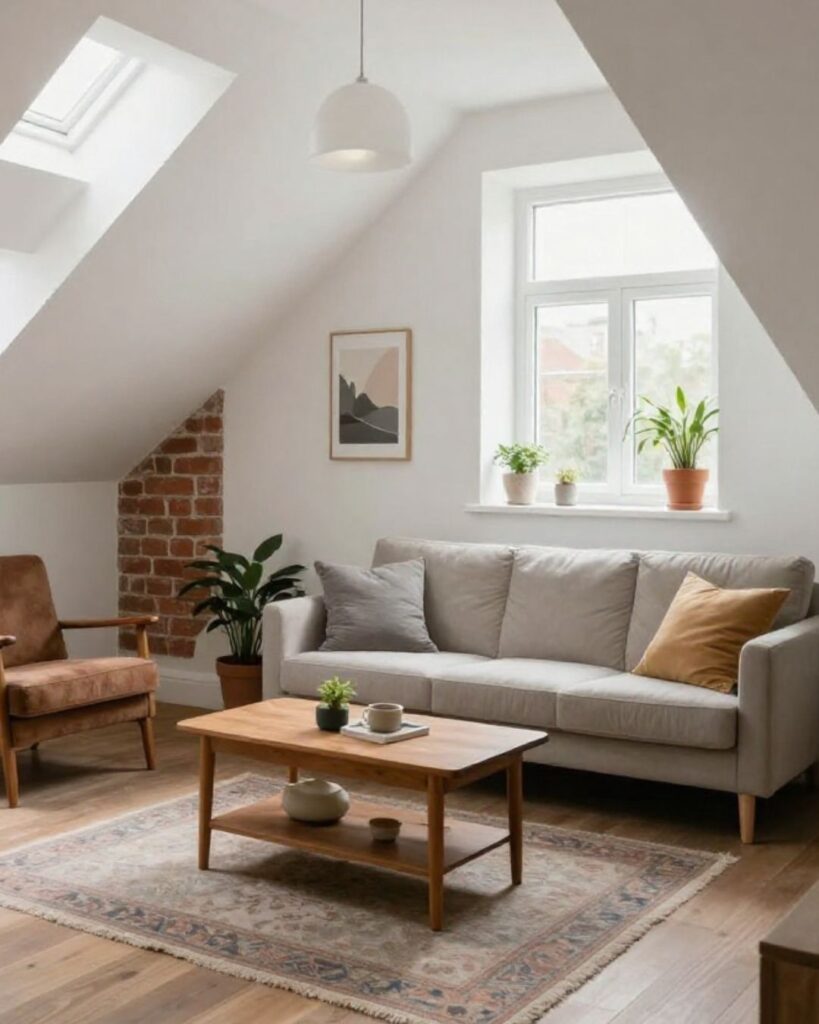
Loft Conversions in Winchester: Adding Space Without Extending Your Footprint
When you need more space but cannot or do not want to extend into your garden, your loft offers an often-overlooked solution. A loft conversion transforms unused roof space into valuable living accommodation, adding bedrooms, bathrooms, home offices, or playrooms without altering your home’s footprint. For Winchester homeowners, where period properties, conservation areas, and compact gardens often limit extension options, converting the loft makes particular sense.
As local builders with extensive experience converting lofts across Winchester and Hampshire, we have helped dozens of families gain the space they need without moving house. This guide explains the different types of loft conversion, what they cost, planning considerations specific to Winchester, and how to determine whether your home is suitable.
Why Consider a Loft Conversion
Loft conversions offer several advantages over ground floor extensions. They do not reduce your garden space, which matters greatly in Winchester where many properties have modest outdoor areas. They often fall within permitted development, avoiding lengthy planning applications. They typically cost less per square metre than extensions because the basic structure already exists. And they add significant value, with a well-executed loft conversion adding 15-20 percent to property values in Winchester’s strong housing market.
For growing families, a loft conversion can add the extra bedroom or bathroom that prevents an expensive and disruptive move. For those working from home, it creates a genuinely separate workspace away from household activity. For teenagers, it provides the independence they crave while keeping them under your roof. The possibilities are extensive, and the disruption during construction is typically less than a ground floor extension because work happens above your main living areas.
Types of Loft Conversion
Different loft conversion types suit different properties and budgets. Understanding your options helps you make informed decisions about what works for your Winchester home.
Velux or Rooflight Conversions
The simplest and most affordable option, a Velux conversion adds windows into the existing roof slope without altering the roof structure. This works well for lofts with adequate existing headroom, typically found in properties with steep roof pitches or high ridge heights. Velux conversions usually fall within permitted development and can be completed in two to three weeks. They cost significantly less than other types but provide limited headroom away from the roof’s centre. In Winchester, Velux conversions suit many Victorian and Edwardian properties with generous roof spaces, as well as some 1930s houses with steep pitches.
Dormer Conversions
Dormers extend outward from the existing roof slope, creating additional headroom and floor space. A rear dormer is the most common type, adding a flat-roofed or pitched-roof box to the back of your house. Dormers dramatically increase usable space compared to Velux conversions and work well even with relatively shallow roof pitches. Most rear dormers fall within permitted development for houses, though restrictions apply to the size, position, and materials. Dormer conversions take four to six weeks and represent the most popular choice for Winchester families needing a proper additional bedroom with en-suite.
Hip to Gable Conversions
Many Winchester properties, particularly 1930s semis and detached houses, have hipped roofs that slope on all sides rather than having vertical gable ends. A hip to gable conversion extends the sloping hip section to create a vertical gable wall, significantly increasing internal space. This is typically combined with a rear dormer for maximum floor area. Hip to gable conversions are popular for semi-detached houses where extending the hip creates a much more usable loft than a dormer alone could achieve. They usually require planning permission due to the change to the roofline visible from the street.
Mansard Conversions
A mansard conversion effectively replaces one or both roof slopes with a nearly vertical wall topped by a shallow-pitched roof. This maximises internal space and headroom but substantially alters the property’s appearance. Mansard conversions almost always require planning permission and are most common in urban areas or on properties where appearance changes are acceptable. In Winchester’s conservation areas, mansard conversions are rarely approved due to their visual impact, but they may suit properties in less sensitive locations.
Loft Conversion Costs in Winchester
Loft conversion costs depend on the type of conversion, size of the space created, specification of finishes, and any complications specific to your property. As a guide for Winchester in 2026, a basic Velux conversion creating a single room typically costs £25,000 to £35,000. A rear dormer conversion with bedroom and en-suite runs £40,000 to £60,000. A hip to gable plus rear dormer costs £50,000 to £70,000. A mansard conversion ranges from £60,000 to £85,000 or more.
These figures include structural work, insulation, windows, electrics, plastering, basic bathroom installation for en-suites, and standard decoration. They assume straightforward access, standard staircase requirements, and no unusual structural complications. High-end finishes, complex bathroom specifications, bespoke joinery, and premium materials increase costs accordingly.
Compared to moving house in Winchester’s expensive property market, where stamp duty, legal fees, estate agent fees, and moving costs easily exceed £30,000 to £50,000 for a modest upgrade, a loft conversion often delivers the extra space you need at lower total cost while avoiding the upheaval of relocation.
Planning Permission and Building Regulations
Many loft conversions fall within permitted development rights, meaning no planning application is required. However, permitted development has conditions and limitations that must be met. The volume added must not exceed 40 cubic metres for terraced houses or 50 cubic metres for detached and semi-detached houses. The extension must not exceed the highest part of the existing roof. Materials must be similar in appearance to the existing house. No verandas, balconies, or raised platforms are permitted. Side-facing windows must be obscure glazed and non-opening unless more than 1.7 metres above floor level.
Winchester presents additional considerations. Much of the city centre and surrounding historic areas fall within conservation areas where permitted development rights are more restricted. Alterations visible from the street, including front dormers and hip to gable conversions, typically require planning permission in conservation areas. If your property is listed, listed building consent is required for almost any alteration, internal or external. Winchester has numerous listed buildings, particularly in the historic core, and strict controls apply.
Regardless of planning requirements, all loft conversions require building regulations approval. This covers structural stability, fire safety including escape routes and fire doors, insulation and energy efficiency, staircase design and construction, and electrical and plumbing work. Building regulations ensure your conversion is safe and properly constructed. We handle building regulations applications as part of our service.
Is Your Loft Suitable for Conversion
Not every loft can be converted, and some are easier to convert than others. Several factors determine suitability.
Head height is crucial. You need at least 2.2 metres from the top of the ceiling joists to the underside of the ridge beam at the highest point. Less than this makes achieving acceptable headroom difficult or impossible. Measure at the centre of your loft to get an initial indication.
Roof structure matters. Traditional roofs built with rafters and purlins are straightforward to convert because the structural members can be modified or replaced with steel beams. Modern trussed roofs, common in houses built since the 1960s, have factory-made frames that cannot simply be cut away. They require more extensive structural work to create usable space, increasing costs.
Roof pitch affects usable floor area. Steeper pitches provide more headroom across more of the floor. Shallow pitches mean more of the space is unusable due to restricted height near the eaves. Dormers help overcome pitch limitations but add cost.
Staircase positioning often presents the biggest challenge. Building regulations require a proper fixed staircase, not a ladder. This staircase must fit somewhere, usually over the existing stairs or taking space from a landing or bedroom below. Poorly planned staircase positions compromise both the new loft room and the floor below.
We offer free loft surveys to assess your property’s conversion potential. We measure headroom, examine roof structure, consider staircase options, and advise on the most suitable conversion type for your home.
Loft Conversions in Winchester’s Period Properties
Winchester has a wealth of Victorian and Edwardian houses, many with excellent loft conversion potential. These properties typically have traditional roof structures, generous ridge heights, and steep pitches that create good headroom. Their solid construction and characterful features make them ideal candidates for sympathetic loft conversions.
Period properties require sensitive handling. Original features like corbelled brickwork, decorative ridge tiles, and chimney stacks should be preserved where possible. Materials for dormers and external works should complement the existing building. In conservation areas, planning officers expect high-quality design that respects the property’s character.
We have converted lofts in Victorian and Edwardian homes throughout Winchester, from compact terraces in the city centre to substantial villas in areas like Sleepers Hill and St Cross. Our experience ensures conversions that add space while respecting the qualities that make these houses special.
What to Use Your Loft Conversion For
The most common use is an additional bedroom, often with en-suite bathroom. This configuration adds genuine value and appeals strongly to future buyers. A master suite in the loft, freeing up a larger bedroom below for children, is a popular choice for growing families.
Home offices work exceptionally well in lofts. The separation from main living areas reduces distractions and creates a professional working environment. Since the shift to hybrid working, dedicated home office space has become increasingly valuable.
Teenage bedrooms give older children independence and privacy while keeping them at home. The slight separation from the main household suits the teenage need for personal space.
Playrooms, hobby rooms, home cinemas, and guest suites are all viable options depending on your family’s needs. The key is designing the space for its intended purpose from the outset rather than treating it as generic additional room.
The Loft Conversion Process
A typical loft conversion follows a structured process. Initial survey and design takes one to two weeks, during which we assess your loft, discuss requirements, and develop proposals. Planning and building regulations applications, if required, take six to ten weeks depending on complexity. Construction typically takes four to eight weeks depending on conversion type.
During construction, most work happens within the roof space with minimal impact on your daily life. The most disruptive phase is creating the staircase opening, which takes two to three days. We maintain clean and safe working conditions throughout, protecting your home and minimising inconvenience.
Get Your Free Loft Survey
If you are considering a loft conversion for your Winchester home, we offer free surveys to assess your property’s potential. We will measure your loft, examine the roof structure, discuss your requirements, and explain your options. Following the survey, you receive a detailed quotation with clear pricing and realistic timelines.
Whether you live in a Victorian terrace near the cathedral, a 1930s semi in Stanmore, or a modern house in Badger Farm, we can advise on the best approach for your property. Contact us today to arrange your free loft survey and discover how a loft conversion could transform your Winchester home.
Get in touch to explore your loft conversion options.