
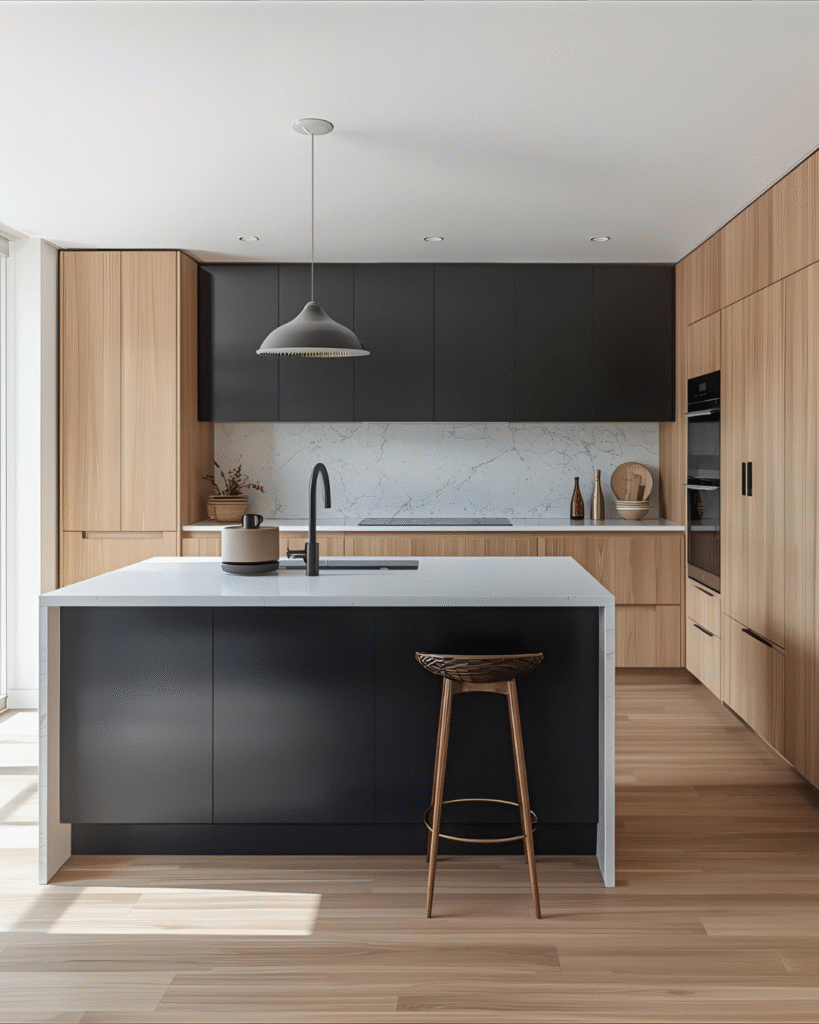
Planning a kitchen extension in Winchester? Local builders share costs, design ideas, planning advice, and what to expect from your project in 2026.
The kitchen has become the heart of modern family life. It is where we cook, eat, socialise, help with homework, and increasingly where we work from home. If your Winchester kitchen feels cramped, dated, or disconnected from the rest of your living space, a kitchen extension could transform how your home functions.
As local builders who have completed kitchen extensions across Winchester and Hampshire for years, we help homeowners create the bright, spacious kitchens they dream about. This guide explains what kitchen extensions cost in Winchester in 2026, explores design options, covers planning considerations, and helps you understand what to expect from your project.
Kitchen Extension Costs in Winchester
Kitchen extension costs depend on size, specification, and complexity. For a quality kitchen extension in Winchester, fully built and finished but excluding the kitchen units themselves, expect to pay between £1,800 and £2,800 per square metre. This range reflects differences in specification, structural requirements, and finishing standards.
To put this in practical terms, a modest 15 square metre rear extension typically costs £27,000 to £42,000. A medium-sized 25 square metre extension runs £45,000 to £70,000. A larger 35 square metre extension with high specifications can reach £63,000 to £98,000 or more.
These figures include groundwork and foundations, structural work including any steel beams, walls, roof, windows and doors, electrics, plumbing for kitchen connections, plastering, flooring preparation, and decoration. They exclude the kitchen units, appliances, and worktops, which vary enormously depending on your choices. Budget kitchens start around £5,000, while high-end fitted kitchens can exceed £30,000.
Winchester’s property values mean that well-executed kitchen extensions typically add more value than they cost, making them a sound investment as well as a lifestyle improvement.
Types of Kitchen Extension
Different extension types suit different properties and requirements. Understanding your options helps you choose the best approach for your Winchester home.
Rear Extensions
Rear home extensions are the most common choice for kitchen projects, extending into your back garden to create additional floor space. Single storey rear extensions work well for most Winchester properties, providing the extra room needed for a spacious kitchen-diner without the cost and complexity of building upward. Under permitted development, you can typically extend 3 metres from the original rear wall for attached houses or 4 metres for detached houses without planning permission, with larger extensions possible through the prior approval process.
Side Return Extensions
Many Victorian and Edwardian terraces and semi-detached houses in Winchester have narrow side returns, the passage running alongside the house from front to back. Extending into this space adds valuable width to your kitchen without taking significant garden space. Side return extensions are particularly popular in areas like Stanmore, Hyde, and the city centre where period properties often have this unused strip. Combined with a modest rear extension, a side return can dramatically transform a narrow galley kitchen into a generous open-plan space.
Wraparound Extensions
Wraparound extensions combine rear and side extensions into one L-shaped structure, maximising the space gained. This approach suits corner plots or properties where both side and rear extension are feasible. Wraparound designs create the largest kitchen spaces but require careful planning to maintain natural light to existing rooms and ensure the extension complements your home’s proportions.
Double Storey Extensions
If you need additional bedrooms or bathrooms as well as kitchen space, a double storey extension provides both in one project. Building two storeys costs significantly less than building the same space as two separate single storey projects because you share foundations, walls, and roof costs. Double storey extensions typically require planning permission and must consider impact on neighbours, but for Winchester families needing comprehensive additional space, they offer excellent value.
Design Ideas for Your Kitchen Extension
A kitchen extension offers opportunities to create exactly the space you want. Consider these design elements when planning your project.
Open Plan Living
Most kitchen extensions aim to create open-plan kitchen-diners that combine cooking, eating, and living areas in one flowing space. This layout suits modern family life, allowing the cook to remain part of family activities rather than isolated in a separate room. Consider zones within your open plan space, perhaps defined by floor finishes, lighting, or ceiling heights, to maintain visual interest while preserving the connected feel.
Bringing in Natural Light
Extensions offer wonderful opportunities to flood your kitchen with natural light. Bi-fold or sliding doors create a seamless connection to your garden while maximising daylight. Roof lanterns or skylights bring light deep into the space, particularly valuable for larger extensions where the rear of existing rooms might otherwise become darker. Floor-to-ceiling glazing on the garden elevation creates dramatic impact while making even modest extensions feel spacious and bright.
Kitchen Islands
A central island transforms how a kitchen works, providing additional preparation space, storage, seating for casual meals, and a natural gathering point. Extensions create the floor space islands require, with most needing at least one metre clearance on all sides for comfortable movement. Islands can incorporate hobs, sinks, wine coolers, or simply provide valuable worktop and storage space.
Indoor-Outdoor Connection
Winchester enjoys beautiful surroundings, and kitchen extensions can strengthen the connection between inside and outside. Large glazed doors that open fully effectively extend your living space into the garden during warmer months. Consider how your extension relates to outdoor dining areas, and whether level thresholds can create a seamless flow between kitchen and patio.
Planning Permission in Winchester
Many kitchen extensions fall within permitted development rights and do not require planning permission. However, Winchester presents particular considerations that homeowners must understand.
The city has extensive conservation areas covering the historic centre, St Cross, Sleepers Hill, and parts of surrounding areas. Within conservation areas, permitted development rights are more restricted. Side extensions and alterations visible from highways typically require planning permission. If your property falls within a conservation area, check requirements carefully before assuming permitted development applies.
Properties within the South Downs National Park, which borders Winchester to the east, face additional scrutiny. Extensions must respect the landscape and character of the national park, and permitted development rights are modified in some circumstances.
For properties outside these designated areas, standard permitted development rules allow single storey rear extensions up to 3 metres for attached houses or 4 metres for detached houses without planning permission, provided other conditions are met. The larger home extension scheme allows extensions up to 6 metres or 8 metres respectively through a prior approval notification process.
Regardless of planning requirements, all extensions must comply with Building Regulations covering structural stability, thermal performance, drainage, electrical safety, and ventilation. We handle Building Regulations applications as part of our service.
What Affects Kitchen Extension Costs
Several factors influence your final project cost beyond the basic size of the extension.
Structural Requirements
Creating open-plan spaces often means removing internal walls. If these walls are load-bearing, steel beams are required to support the structure above, adding to costs. The size and complexity of steelwork depends on span lengths and loads carried. Similarly, the width of openings for bi-fold doors affects the steel required above them.
Ground Conditions
Foundation requirements depend on ground conditions and proximity to trees. Winchester has varied soil types, and some areas require deeper foundations than others. Large trees near the extension may require special foundation designs to account for root activity and soil moisture changes. We assess ground conditions during planning and factor appropriate foundations into our quotations.
Specification and Finishes
The quality of windows, doors, roofing, and finishes significantly affects cost. Aluminium bi-fold doors cost more than uPVC alternatives. Roof lanterns add cost compared to flat roofs with skylights. Underfloor heating, high-specification electrics, and premium plastering all increase the investment but enhance the finished result.
Access and Site Constraints
Properties with difficult access, limited space for material storage, or constraints affecting how work is carried out may cost more to build. Terraced properties where all materials must pass through the house typically cost more than detached houses with clear side access.
The Kitchen Extension Process
A typical kitchen extension follows a structured process from initial concept to completed space.
Design and planning takes four to eight weeks, during which we develop your design, prepare drawings, and submit any required planning applications. Building Regulations approval runs alongside this phase. Once approvals are in place, we schedule construction.
Construction typically takes eight to twelve weeks depending on size and complexity. The process begins with groundwork and foundations, followed by building walls, installing steelwork, and constructing the roof. Once weathertight, first fix electrics and plumbing are installed before insulation and plastering. Second fix, decoration, and finishing complete the build. Kitchen installation follows once the space is ready.
Throughout construction, we maintain clear communication, keeping you informed of progress and addressing any questions promptly. We protect your existing home, minimise disruption, and leave your property clean and tidy.
Kitchen Extensions Across Winchester
We build kitchen extensions throughout Winchester and the surrounding Hampshire area. Our coverage includes Winchester city centre, Stanmore, Hyde, St Cross, Badger Farm, Olivers Battery, Weeke, Harestock, Fulflood, Teg Down, Sleepers Hill, Highcliffe, and across the city. We also serve Kings Worthy, Littleton, Sparsholt, Compton, Shawford, Otterbourne, Chandlers Ford, and surrounding villages.
Whether you live in a Victorian terrace near the city centre, a 1930s semi in Weeke, or a modern detached house in Badger Farm, we have experience creating kitchen extensions that suit every property type Winchester offers.
Get Your Free Kitchen Extension Consultation
If you are considering a kitchen extension for your Winchester home, we provide free consultations to discuss your ideas and explore what is achievable. We assess your property, talk through design options, advise on planning requirements, and provide a detailed quotation with clear pricing.
Contact us today to arrange your free consultation. Discover how a kitchen extension could transform your Winchester home into the bright, spacious living space your family deserves.
Get in touch to discuss your kitchen extension project.